
Signal is surging in popularity as more and more users are looking for a privacy-focused alternative to WhatsApp. Unfortunately, Signal’s rising popularity also has brought many unexpected glitches and errors. Sometimes, the servers get so overloaded that you can’t even use the app. Or the platform fails to send you the verification code. Follow the troubleshooting suggestions below if you’re still waiting for the SMS verification code to set up the app.
Contents
What to Do If You Haven’t Received Your Signal Verification Code
- Check network coverage. Make sure you’re within your mobile network’s range. Restart your phone and check if you get the verification code.
- Check your phone number. Make sure you entered your phone number correctly. Request a new code, and enter your full international phone number.
- Check your SMS settings.
- Launch the Messages app, tap More options (the three dots), and go to Settings.
- Check if you blocked messages from unknown senders, and disable the option.
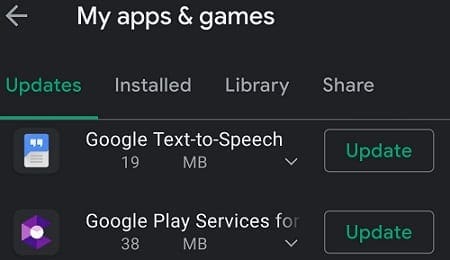
- Update Google Play app.
- Go to Settings, and select Apps.
- Go to All apps, and select Google Play Services.
- Scroll down to App Details, and tap Update.

- Disable your VPN. Temporarily turn off your VPN, and check if you receive the code.
- Allow Signal to autostart.
- Go to Settings, and select Apps.
- Tap Application Manager.
- Locate Signal in the list of downloaded apps.
- Toggle on the Autostart option.
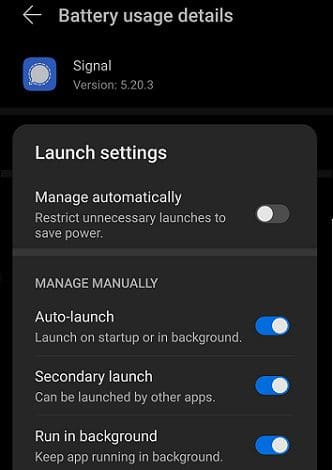
- If you own a Huawei device, go t0 Settings → Apps → Apps → Signal → Power Usage Details → Launch Settings. Then tap Manage Manually, and toggle on Auto-Launch, Secondary Launch, and Run in Background.

- Contact your carrier. Maybe you opted out from receiving business or transactional SMS and alerts. Contact your carrier for more information.
Specific Steps for Metro PCS, Google Fi, and Other T-Mobile Based Services
If you’re using the services provided by T-Mobile or Google Fi, you need to follow some specific steps to get the Signal verification code.
- To receive the code by SMS, you need to call #611# and have Shortcode Blacklist removed from your account.
- If you want to receive the code by call, dial #632# and disable Scam Block.
- Enter ##fiinfo## to check your current carrier information if you’re using Google Fi. Then use the shortcuts below to switch to another carrier:
- Use ##fitmo## to switch to T-Mobile
- Switch to Sprint using ##fispr##
- Enter ##fiusc## to switch to US Cellular.
Reinstall Signal
If the issue persists, uninstall Signal, and restart your terminal. Launch the Play Store app, download Signal again, and request a new verification code. If the problem persists, contact Signal Support. If this issue is on their end, there is nothing you can do about it. Wait patiently until Signal fixes the problem.
Conclusion
To sum up, if Signal is not sending the verification code, check your network coverage. Then, make sure to allow SMS messages from unknown senders. Additionally, disable your VPN, and allow Signal to autostart. If the problem persists, contact your carrier and Signal Support. Did you manage to solve the problem? Let us know in the comments below.


Also,
Allow google play services to send sms (one time)