Skip to content
LogoTechnipages
LogoTechnipages
  • Topics
        • Android
        • Browsers
        • Gaming
        • Hardware
        • Internet
        • iPhone
        • Linux
        • macOS
        • Office
        • Reviews
        • Software
        • Windows
        • Definitions
        • All Recent Posts
  • Product Reviews
  • About

What Is SDRAM (Synchronous Dynamic Random Access Memory)?

Mel HawthorneAugust 9, 2022 Comments (0)

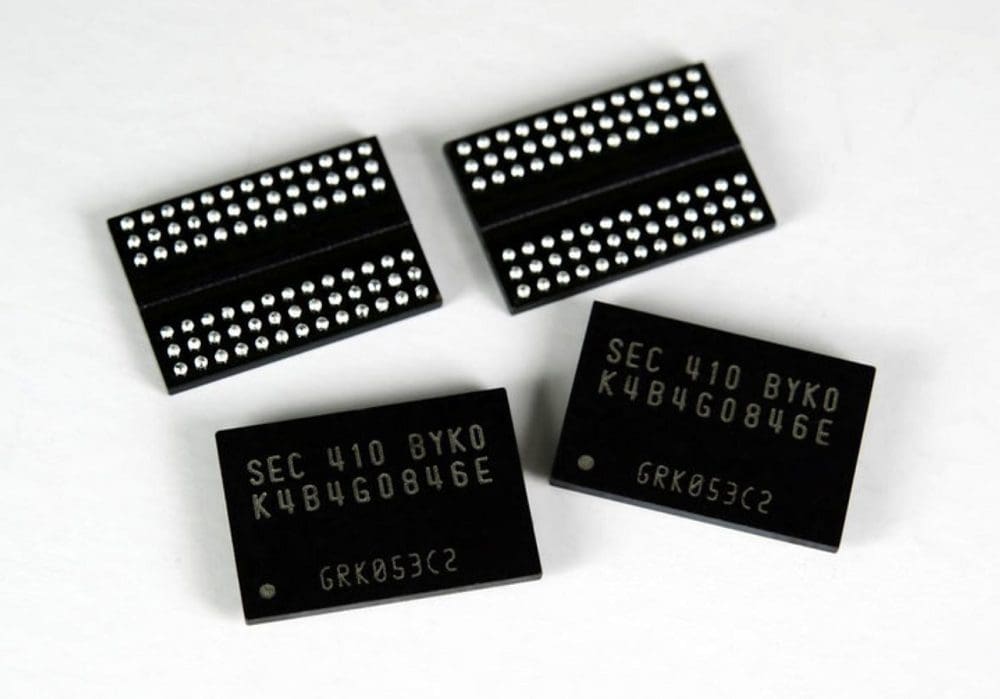
SDRAM or Synchronous Dynamic Random Access Memory is a type of DRAM memory. SDRAM is faster than regular DRAM and is generally the type of RAM you can find in computers. First introduced in about 1996. It only took four years before it caught on fully and rapidly started replacing standard DRAM as the main memory of computers. Like DRAM, SDRAM is a volatile type of memory. If its power is cut, its data will be lost.

Of all the types of different RAMs out there, SDRAM is the most common sort, though not the only kind used these days. Since the original SDRAM standard ensured the inter-operability of different types and systems of RAM, newer versions have been released. The original version of DDR doubled the storage capability of ‘plain’ SDRAM – since then, we’ve had DDR2, 3, 4, and the most recent DDR5.

Contents

  • 1 What Is It Used For?
  • 2 Where Is It Used?
  • 3 Conclusion

What Is It Used For?

SDRAM has all but cornered the market for computer memory. It has many advantages make it ideal for computer RAM – cheap, simple, fast, and comparatively simple to produce. DDR versions additionally also double the storage capacity of the SDRAM used.

On the flip side, there are only a few things worth mentioning – a comparatively high power draw being the main one. There are also faster RAM versions still, such as SRAM. It also carries the characteristic of DRAM that requires the data stored in it to be refreshed regularly.

Where Is It Used?

As mentioned, the primary use of SDRAM is in the RAM of computers. As it is synchronous, it syncs to the clock of the processor and thus pipelines instructions as effectively as possible. By synchronizing with the PC’s processor clock, the RAM can operate in a more complex pattern than DRAM.

Conclusion

SDRAM stands for Synchronous Dynamic Random Access Memory, a subset of DRAM. Like other types of RAM, SDRAM is volatile storage, meaning it loses any data it holds when it loses power. The word Synchronous indicates that SDRAM synchronizes with a clock to provide reliable and predictable performance. A subset of SDRAM is currently used as system RAM. Don’t forget to share your thought in the comments below.


Categories: Hardware

Author Mel Hawthorne

You Might Also Like

  • check-if-employer-is-monitoring-computer

    How to Tell if Your Employer Is Monitoring Your Computer

    Madalina DinitaHardware
  • 3D printing header

    3D Printing: Troubleshooting a Messy First Layer

    Mel HawthorneHardware
  • 3D Printing Basics: What Is Material Jetting?

    Mel HawthorneHardware
  • chromebook-unrecognized-error-unknown-failure

    Fix Chromebook: Unrecognized Error, Unknown Failure

    Madalina DinitaHardware

Leave a Reply

Your email address will not be published. Required fields are marked *

  • system32 folder opens on startup

    System32 Folder Opens on Startup – How to Fix

  • browser keeps opening hp support

    Browser Keeps Opening HP Support Assistant Tabs 

  • camera not working in vmware

    Camera Not Working in VMware – How to Fix

  • browser screen goes black

    Browser Screen Goes Black Intermittently 

  • computer heating up in hyper v

    Computer Heating Up When Using Hyper-V – How to Fix 

profile pic

The Experts Behind Technipages

My name is Mitch Bartlett. I've been working in technology for over 20 years in a wide range of tech jobs from Tech Support to Software Testing. I started this site as a technical guide for myself and it has grown into what I hope is a useful reference for all.

Learn More

technipages logo white
linkedin icon

Technipages is part of Guiding Tech Media, a leading digital media publisher focused on helping people figure out technology. Learn more about our mission and team here.

© 2026 Guiding Tech Media All Rights Reserved

  • About Us
  • Contact
  • Terms of Use
  • Privacy Policy

© 2026 Guiding Tech Media All Rights Reserved

Information from your device can be used to personalize your ad experience.
Do not sell my personal information.

Last Updated on August 9, 2022 by Judy Sanhz