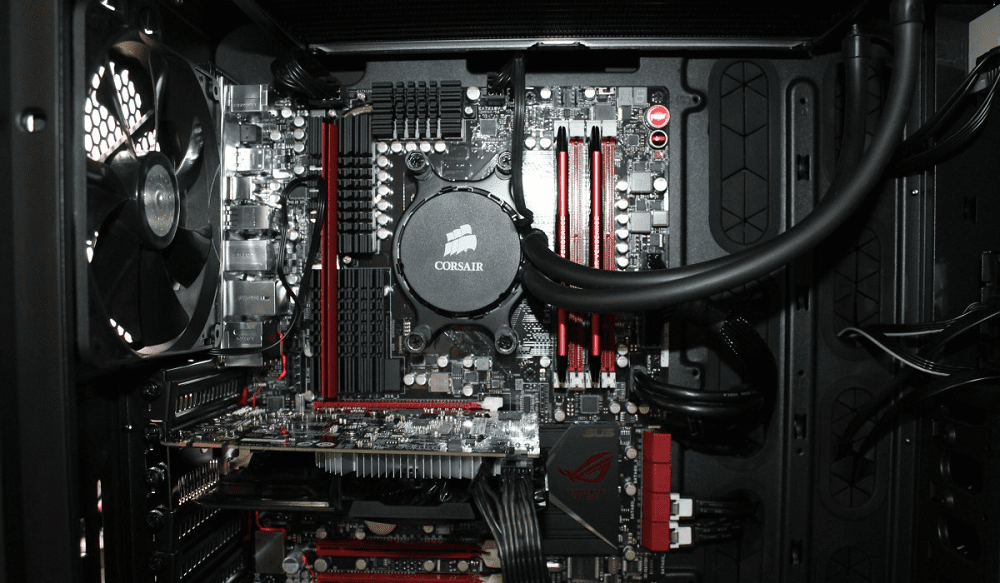
PCI-E, or Peripheral Component Interconnect Express and generally formatted as PCIe, is a type of communication system also called a bus. The PCI-E bus, specifically, is a high-speed computer bus standard. It was created as a follow-up to the original PCI and PCI-X standards. As they could no longer keep up with increased bandwidth and speed demands.
PCI-E buses are now used as one of the most common bus types in PC parts such as video, sound, and network cards, SSD and HDD host adapters, and more. Few, if any, modern PCs make do without PCI-E connections.
PCI-E vs PCI-X and PCI
There is a significant difference between PCI-E and its predecessors. While the first two standards used a parallel architecture with buses sending and receiving data simultaneously, the more modern PCI-E instead uses a serial bus. This is a significant change and rendered it incompatible with the previous two versions (which are compatible with each other). The change was necessary to keep up with the increasing demand for faster data transfers and higher amounts of data sent.
PCI-E’s serial bus setup has each connected peripheral (such as a network card or graphics card, for example) use a dedicated bus. Data is transferred from the peripheral to a switch and back. From where it is transported by the bus responsible for the receiving peripheral. This setup is more efficient. It reduces/eliminates the real problem of wait times that throttled PCI and PCI-X speeds.
The improvement in architecture allowed for speeds several times those of previous versions. PCI’s transmission speeds ranged from 133MB/s to 533MB/s, and PCI-X’s went from 533MB/s to 1066MB/s. Compared to that, PCI-E’s first implemented version already allowed for 4GB/s on an 8-lane connection. The same trend is evident regarding clock speed – PCI maxed out at 66Mhz, PCI-X at 133Mhz (with a few exceptions that could go to 533Mhz). PCI-E offers 2.5GHz clock speed support, making it a massive improvement.
Compatibility
PCI and PCI-X. Most current motherboards offer slots exclusively for PCI-E. PCI and PCI-X support can only be found on legacy hardware now, as the standards have been well and truly surpassed for decades. As different signaling methods are used, PCI-E is not compatible with PCI or PCI-X devices. However, they are indistinguishable from devices that have suitable types of slots for them.
It’s also worth noting that using a PCI-X peripheral in a PCI slot will work, but throttle performance down to PCI standards. As both 32-bit and 64-bit versions of all PCI and PCI-X cards are available, that is another potential issue – cards should be plugged into the correct slot size. 32-bit cards will function in 64-bit slots. However, they will once again throttle the available speeds. 64-bit cards won’t work (or fit) in 32-bit slots.
PCI-E uses a different and incomparable measure of lanes rather than bits. While some devices have 32 lane slots, these are extremely rare, with 16 lane slots being the most significant standard size.
The Implementation of PCI-E
The origin of PCI can be traced back to 1991 when Intel first suggested it. In 1993, the first version was implemented. By 2000, it had become evident that the standard couldn’t keep up with demand. PCI-X was created in 1999. Just three years later, in 2002, the first PCI-E was implemented. Since then, several more versions have been standardized, the most recent one to the market being PCI-E 5.0 in 2019. 4.0, the version before 5.0, offered up to 64GB/s bandwidth, while the most recently implemented version offers 128GB/s. A lower version card with a higher version slot will throttle the performance to whatever the lower standard is, and vice versa.
To be precise, newer versions – PCI-E 6.0 – have been standardized and updated multiple times since then. However, it hasn’t been implemented and put into production yet, meaning that the current technical standard remains 5.0. Even though PCI-SIG (a group of hundreds of companies in charge of maintaining and developing PCI standards) is already working on PCI 7.0. The specification is supposed to be ready sometime in 2025, with implementation coming quite a bit later than that. Version 7.0 promises up to 242GB/s transfer speeds – a vast improvement over even the current standard.
Conclusion
PCI-E, commonly written as PCIe, stands for Peripheral Component Interconnect Express. It is a high-speed communication bus used in modern computers. Unlike the earlier PCI and PCI-X that used parallel connections, PCI-E uses a serial connection. This frees it from being anchored to the speed of the slowest connected device, allowing all devices to operate at their maximum supported speeds.
The performance benefits of PCI-E over PCI and PCI-X have led to their complete replacement in modern hardware, meaning that they are now only supported on legacy hardware. PCI-E is often used to attach high-speed networking cards, SSDs, graphics cards, and more. Please share your thoughts in the comments below.