
Skip to content
LogoTechnipages
LogoTechnipages
  • Topics
        • Android
        • Browsers
        • Gaming
        • Hardware
        • Internet
        • iPhone
        • Linux
        • macOS
        • Office
        • Reviews
        • Software
        • Windows
        • Definitions
        • All Recent Posts
  • Product Reviews
  • About

How to Compare Windows Registry Differences

Mitch BartlettDecember 2, 2022 Comments (0)

When one computer works and the other doesn’t, it is vital for troubleshooting Windows problems to be able to compare differences between the Windows registry on one computer and another.

If you’re wanting to compare differences between two Windows registry settings, this tutorial will show you how. You can also use these steps to view before and after changes to the registry.

  1. Launch the Registry Editor (regedit).
  2. Right-click on Computer and select Export. This will export the entire set of registry keys. You can also just export a limited set of registry keys if you like such as HKEY_LOCAL_MACHINE by exporting just that set instead. Give it a name like regexport.reg.
  3. Perform the same steps on the other computer or the same registry you would like to compare after changes have been made. Give the export file a name like regexport2.reg.
  4. Install TortoiseSVN on the computer where you will be comparing.
  5. Copy both registry files to the workstation where you’ll be comparing registries.
  6. Navigate to the folder where both .reg files are located. Hold the CTRL button and click once on each file to highlight them.
  7. Right-click one of the highlighted files then choose TortoiseSVN > Diff.
  8. TortoiseMerge will open a screen where you can now compare the changes made between both registry export files. Differences are highlighted in yellow. The Next difference and Previous difference buttons on the top bar are useful if you want to have a look at every change.

I hope this tutorial has helped you with comparing differences between two sets of Windows registry files and has you well on your way to solving whatever problem you are facing.


Categories: Windows

Author Mitch Bartlett

Through my career that spans over 20 years I have become an expert in Microsoft Systems Administration, Android, and macOS. I started this site as a technical guide for myself and it has grown into what I hope is a useful knowledgebase for everyone.

You Might Also Like

  • Windows 10, 8 & 7 Enable or Disable Superfetch

    Windows 11: Enable or Disable Superfetch

    Mitch BartlettWindows
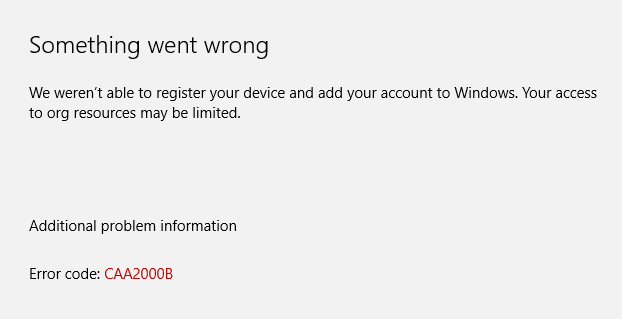
  • Microsoft Teams Error caa2000b

    Troubleshooting Microsoft Teams Error caa2000b

    Madalina DinitaWindows
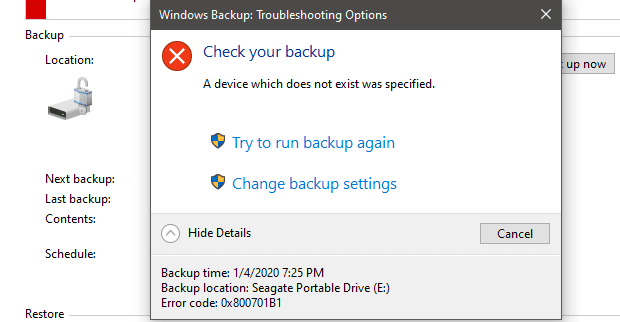
  • Troubleshooting Error 0X800701B1 on Windows 10

    Madalina DinitaWindows
  • fast logon optimization windows

    What is Fast Logon Optimization on Windows?

    Madalina DinitaWindows

Leave a Reply

Your email address will not be published. Required fields are marked *

  • hdd better than an ssd

    When Is an HDD Better Than an SSD?

  • top graphics cards for 2026

    Top 5 Graphics Cards for 2026

  • roblox error 280

    Having Trouble With Roblox Error 280? Here’s What to Do

  • hard disk smart command error

    Hard Disk SMART Command Failed – How to Fix 

  • files automatically deleted on click

    Files Getting Deleted Automatically? Here Are Some Reasons Why

profile pic

The Experts Behind Technipages

My name is Mitch Bartlett. I've been working in technology for over 20 years in a wide range of tech jobs from Tech Support to Software Testing. I started this site as a technical guide for myself and it has grown into what I hope is a useful reference for all.

Learn More

technipages logo white
linkedin icon

Technipages is part of Guiding Tech Media, a leading digital media publisher focused on helping people figure out technology. Learn more about our mission and team here.

© 2026 Guiding Tech Media All Rights Reserved

  • About Us
  • Contact
  • Terms of Use
  • Privacy Policy

© 2026 Guiding Tech Media All Rights Reserved

Information from your device can be used to personalize your ad experience.
Do not sell my personal information.

Last Updated on December 2, 2022 by Mitch Bartlett