
Skip to content
LogoTechnipages
LogoTechnipages
  • Topics
        • Android
        • Browsers
        • Gaming
        • Hardware
        • Internet
        • iPhone
        • Linux
        • macOS
        • Office
        • Reviews
        • Software
        • Windows
        • Definitions
        • All Recent Posts
  • Product Reviews
  • About

How Do I Check and Export Call History From MS Teams?

Madalina DinitaJanuary 17, 2022 Comments (0)
check-export-call-history-teams

Microsoft Teams is an excellent video meeting and collaboration tool that’s been of immense help in this pandemic-haunted world. Unfortunately, some Teams features are incomplete or fail to provide users with all the options they need. For example, the Call History feature is a bit limited. You can only access 30 days’ worth of direct call data. As a user, you can’t review call records that are older than 30 days.

Contents

  • 1 How to Check Call History in Microsoft Teams
    • 1.1 How to Export Call History From Teams
    • 1.2 Conclusion

How to Check Call History in Microsoft Teams

To review your Teams call history, click on the Calls icon on the left side of the app. Then, select History. Your call log should be visible on the right-hand pane.

If you’re an admin, open the Teams Admin Center, and click on Users. Select the account you’re interested in, and then click on Call History.
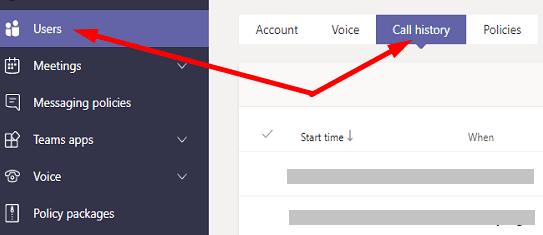
teams-admin-center-call-history

Keep in mind that the call history feature is available only for Microsoft 365 users that also have a Business Voice or Enterprise Voice license. You can only view call history data, you can’t delete the entries.

How to Export Call History From Teams

Now that we’ve seen how you can quickly check call history data, let’s explore how you can export it. This is where things get a bit complicated.

To review call history data older than one month, contact your admin. They can run Usage reports or use Office 365 eDiscovery to retrieve and export call history data.

If you’re an admin, open the Teams Admin Center, and go to Analytics & reports. Then select Usage reports and run the call reports for the last three months.
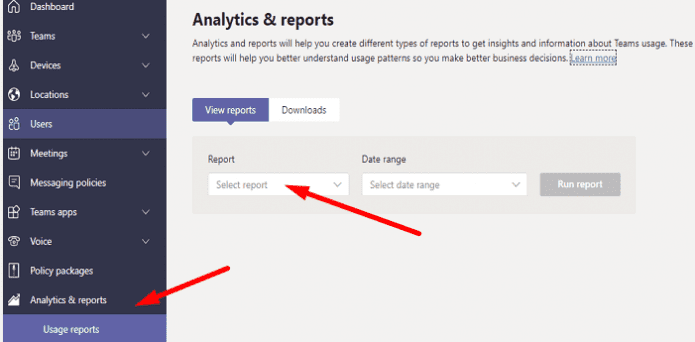
microsoft-teams-admin-center-usage-reports

To use Office 365 eDiscovery, you need to first configure the feature. You can then retrieve and export call history data. You can use this tool to retrieve data from chats and meetings, as well. For more information, see:

  • Set up Microsoft 365 Advanced eDiscovery
  • Export documents from a review set in Advanced eDiscovery

Alternatively, you can check out some of the Teams call history scripts available on GitHub and see if they suit your needs.

Conclusion

By default, Microsoft Teams lets you review 30 days’ worth of call data. If you want to access call history data that’s older than 30 days, contact your IT admin. They can run Usage reports or use Office 365 eDiscovery to export call history data.

How often do you access, review, and export call history data from Microsoft Teams? Let us know in the comments below.

Categories: Windows

Author Madalina Dinita

Madalina has been a Windows fan ever since she got her hands on her first Windows XP computer. She is interested in all things technology, especially emerging technologies -- AI and DNA computing in particular.

You Might Also Like

  • Windows 10 Header

    Windows Movie Maker: Add Audio to Video

    Mel HawthorneWindows
  • Adding Google Podcasts To Windows PC

    MonaWindows
  • Adjusting Privacy Settings in Windows 10

    MonaWindows
  • Windows-Media-Creation-Problem-Running-This-Tool

    Fix: Windows Media Creation Couldn’t Run on PC

    Madalina DinitaWindows

Leave a Reply

Your email address will not be published. Required fields are marked *

  • system32 folder opens on startup

    System32 Folder Opens on Startup – How to Fix

  • browser keeps opening hp support

    Browser Keeps Opening HP Support Assistant Tabs 

  • camera not working in vmware

    Camera Not Working in VMware – How to Fix

  • browser screen goes black

    Browser Screen Goes Black Intermittently 

  • computer heating up in hyper v

    Computer Heating Up When Using Hyper-V – How to Fix 

profile pic

The Experts Behind Technipages

My name is Mitch Bartlett. I've been working in technology for over 20 years in a wide range of tech jobs from Tech Support to Software Testing. I started this site as a technical guide for myself and it has grown into what I hope is a useful reference for all.

Learn More

technipages logo white
linkedin icon

Technipages is part of Guiding Tech Media, a leading digital media publisher focused on helping people figure out technology. Learn more about our mission and team here.

© 2026 Guiding Tech Media All Rights Reserved

  • About Us
  • Contact
  • Terms of Use
  • Privacy Policy

© 2026 Guiding Tech Media All Rights Reserved

Information from your device can be used to personalize your ad experience.
Do not sell my personal information.

Last Updated on January 17, 2022 by Mitch Bartlett