Skip to content
LogoTechnipages
LogoTechnipages
  • Topics
        • Android
        • Browsers
        • Gaming
        • Hardware
        • Internet
        • iPhone
        • Linux
        • macOS
        • Office
        • Reviews
        • Software
        • Windows
        • Definitions
        • All Recent Posts
  • Product Reviews
  • About

How to Hide Drive Letters in Windows 10

Mel HawthorneSeptember 28, 2020 Comments (0)

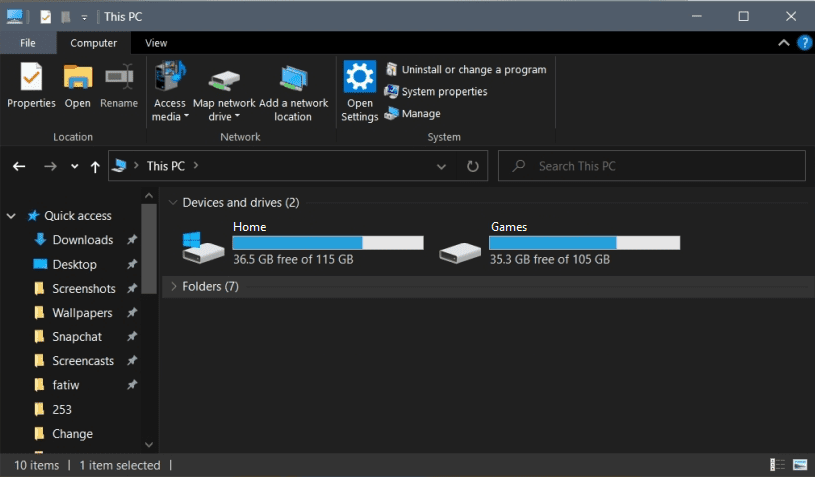
When browsing for files on your hard drive, Windows 10 shows the name and drive letter of your hard drives by default. Realistically though, to most users, the drive letters don’t mean anything and it’s much more helpful to prioritise showing the drive name.

For example, having your operating system drive named “Home (C:)” doesn’t really provide any benefit to the user over just calling it “Home”. Likewise, a backup drive, labelled “Backup (D:)” also doesn’t provide any more information to the user. When most users see labelled hard drives such as “Backup”, “Photos”, or “Games” they will be perfectly aware of what they use it for.

Tip: For users that are not particularly tech-savvy, hiding drive letters could potentially lead to some confusion. For example, if a user needs to follow a guide to find a file installed on the C: drive, and the drive letter has been hidden, this could confuse the user unnecessarily – consider this before hiding the letters, and make sure you remember which is which!

How to hide drive letters

For those users that want to hide the drive letters in Windows 10, the process is nice and simple. The first step is to open File Explorer, then to click on “Options” in the far right of the “View” tab in the top bar.

Click on “Options” on the far right of the “View” tab at the top of File Explorer.

Tip: Alternatively, you can press the Windows key, type “File Explorer Options” and hit enter to open the same menu.

In the options menu, switch to the “View” tab, then scroll through the “Advanced settings”. You want to untick the checkbox for “Show drive letters” found roughly half-way down the list. Once you’ve unticked “Show drive letters” click “Apply”, then “OK” to save your change.

Untick “Show drive letters” in the “View” tab of the “Folder options” window, then click “Apply” and “OK”.

Categories: Windows

Author Mel Hawthorne

You Might Also Like

  • How to Create a Shortcut to Windows 10 Calculator

    Judy SanhzWindows
  • Fix-Windows-11-Remember-My-Apps-Greyed-Out

    How to Manage Sleep Settings in Windows 11

    Judy SanhzWindows
  • How to Restart Graphics Driver Top 9 Methods You Must Know

    How to Restart Graphics Driver: Top 9 Methods You Must Know

    Tamal DasmacOS
  • How to Add Holidays to Outlook Calendar on Windows and Web App

    How to Add Holidays to Outlook Calendar on Windows and Web App

    Susan SheffieldOffice

Leave a Reply

Your email address will not be published. Required fields are marked *

  • fix page fault in nonpaged area bsod

    How to Fix “Page Fault in Nonpaged Area” BSOD 

  • fix ERROR_SYSTEM_SHUTDOWN

    How to Fix ERROR_SYSTEM_SHUTDOWN

  • cant set a new default browser

    Can’t Set a New Default Browser Automatically? Here’s What to Do

  • fix error 0x8000ffff

    How to Fix Error 0x8000ffff

  • how to fix this device cannot start code 10

    This Device Cannot Start (Code 10) – How to Fix

profile pic

The Experts Behind Technipages

My name is Mitch Bartlett. I've been working in technology for over 20 years in a wide range of tech jobs from Tech Support to Software Testing. I started this site as a technical guide for myself and it has grown into what I hope is a useful reference for all.

Learn More

technipages logo white
linkedin icon

Technipages is part of Guiding Tech Media, a leading digital media publisher focused on helping people figure out technology. Learn more about our mission and team here.

© 2025 Guiding Tech Media All Rights Reserved

  • About Us
  • Contact
  • Terms of Use
  • Privacy Policy

© 2025 Guiding Tech Media All Rights Reserved

Information from your device can be used to personalize your ad experience.
Do not sell my personal information.

Last Updated on September 28, 2020 by Mitch Bartlett